Tai Chi Walking — how to walk like a cat, step by step
Tai chi walking is walking with mindfulness: shift your weight fully, empty one foot, heel down, roll through to the toes — slowly enough that every step is a deliberate act of balance. It is the single most useful movement in tai chi for everyday life, and the one most recommended to seniors for preventing falls. You can learn it in minutes and practise it anywhere, no equipment, no membership.
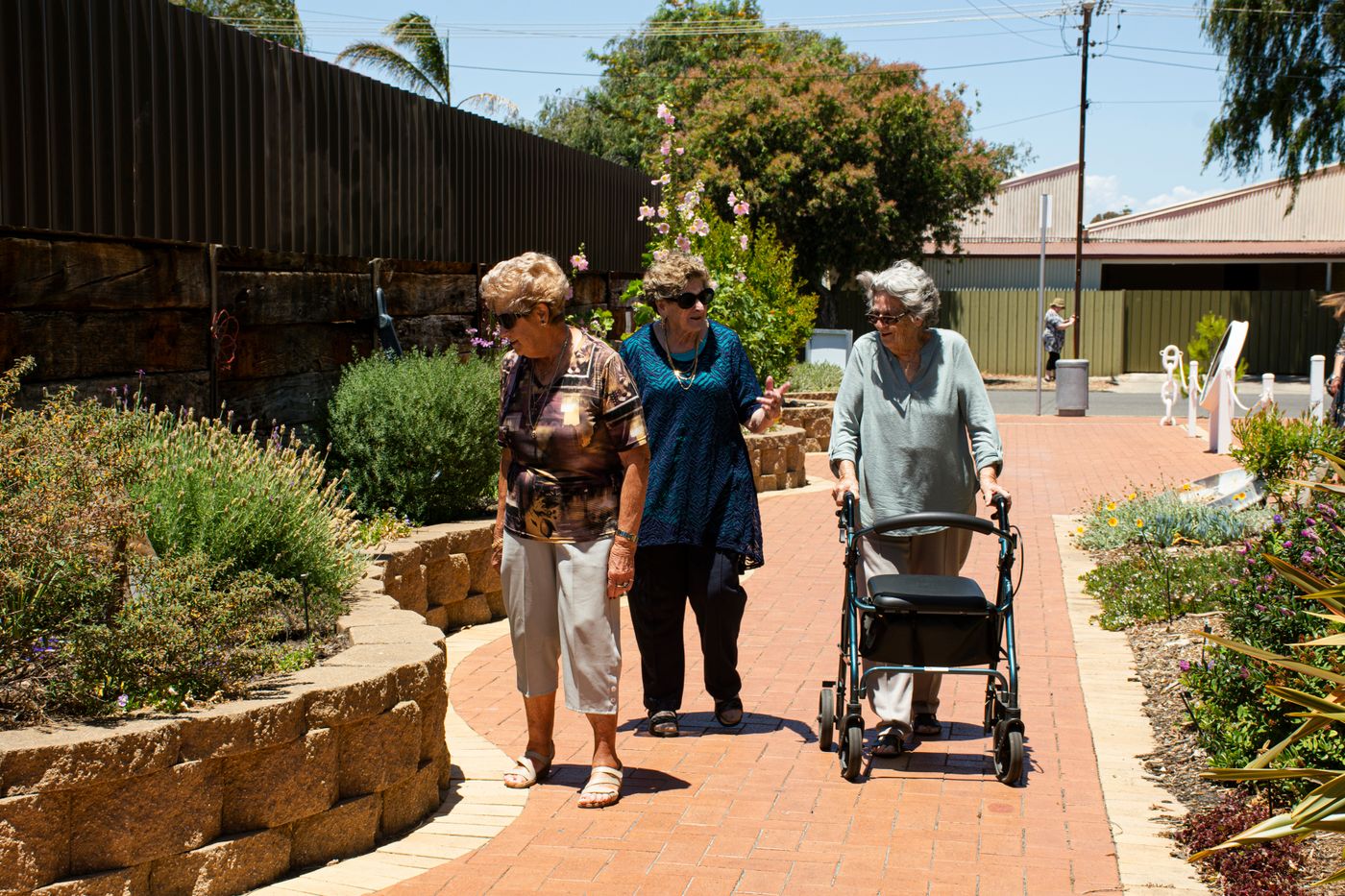
01Why it matters — the evidence
The CDC lists tai chi as an evidence-based fall-prevention intervention. The numbers from the studies are the reason it keeps coming up when seniors' balance is discussed.
Why it works for balance
Ordinary walking uses momentum — you lean forward and let gravity carry you into the next step, with weight often on both feet. Tai chi walking removes the momentum. You deliberately shift 100% of your weight to one leg, hold your balance there, then move the other foot only when it is completely "empty." Repeated single-leg stability is exactly what trains the nervous system to stop a slip before it becomes a fall.
Source: Tai Chi for Health Institute — "In regular walking, one foot steps forward with weight while you try to maintain balance as the other foot moves forward. This increases the chance of falling. Tai Chi Walking is different."
02The four principles
These are what make walking "tai chi walking" instead of just slow walking. Keep them in mind on every step.
Consciously shift your complete weight from one leg to the other — never rely on momentum or leaning.
Establish good balance on the standing leg before the other foot moves at all.
Spine tall, hips level, knees tracking over the toes (never past them), shoulders relaxed.
Notice how the foot lands, how the weight rolls through it, how you breathe. This is the moving-meditation part.
03The step-by-step walk
Walk like a cat: focused, light, deliberate. Start indoors on a clear floor, then take it anywhere — the supermarket aisle, the park, a queue.
Head up, eyes looking forward — never down at your feet. Knees slightly bent and never locked. Centre of gravity low.
Shift all your weight onto one leg and settle your balance there. The foot you're about to move must carry zero weight.
Lift the unweighted foot slowly, peeling the sole from the ground as though it were stuck with glue.
Place the heel in front of you, slowly and gently — like testing ice before you trust it with your weight.
Transfer weight gradually: heel, then ball, then toes. Roll the rest of the foot forward as the weight arrives.
Empty the back foot, lift, heel down, roll through. Slow enough that each step is deliberate. Never hold your breath.
The foot, step by step — heel first, roll through, empty before lift
04Walk like a cat — the teapotmonk five
A simpler way to hold the same idea in your head. Cats move with focus and lightness of step — that's the quality you're copying, not the speed.
- Head up, look straight ahead — never at your feet. Looking down wrecks balance.
- Keep your centre of gravity low — knees soft and slightly bent, joints open, never locked.
- Peel one foot off the floor — slowly, as though the sole is stuck with glue.
- Place the heel down in front of you — slowly, gently.
- Roll the rest of the foot forward to the toes — arms relaxed at your sides, and keep breathing.
Tip: practise it in a queue, in the supermarket aisle, in the park — most people won't even notice, and you get a minute of balance training for a minute of standing.
05Watch it, then follow along
These walkthroughs cover the beginner walk, the Yang-style breakdown, and a seniors' follow-along session. Press play and walk with the instructor.
06Tai chi walking vs. regular walking
If you've ever been told "it's just slow walking" — it isn't. The difference is structural.
| Aspect | Regular walking | Tai chi walking |
|---|---|---|
| Weight transfer | Momentum-based, passive | Controlled, active 100% shift |
| Foot placement | Automatic, unconscious | Deliberate, mindful attention |
| Pace | Natural speed | Slow, measured, for awareness |
| Balance demand | Low — both feet often grounded | High — single-leg stability moments |
| Focus | Destination | The process of each step |
| Breathing | Automatic | Coordinated with movement |
07Safety and common mistakes
Start safe
- Check with your doctor if you have a balance condition, osteoporosis, or are recovering from an injury.
- Decent shoes, not slippers. Flat, stable footwear; a clear indoor floor to start.
- Near a wall or chair for the first sessions — have something to reach for until your balance settles.
- Small steps. A short step with good control beats a long step with wobble.
Common mistakes
- Looking at your feet. Head up, eyes forward — this is the single biggest balance mistake.
- Locked knees. Keep them soft and slightly bent; the joints stay open.
- Stepping with weight on the moving foot. The foot must be empty before it lifts — that's the whole point.
- Holding your breath. Slow movement + held breath = tension. Breathe normally, steadily.
- Leaning forward. No momentum — the body stays upright and the step comes from the legs.
08How to build the habit
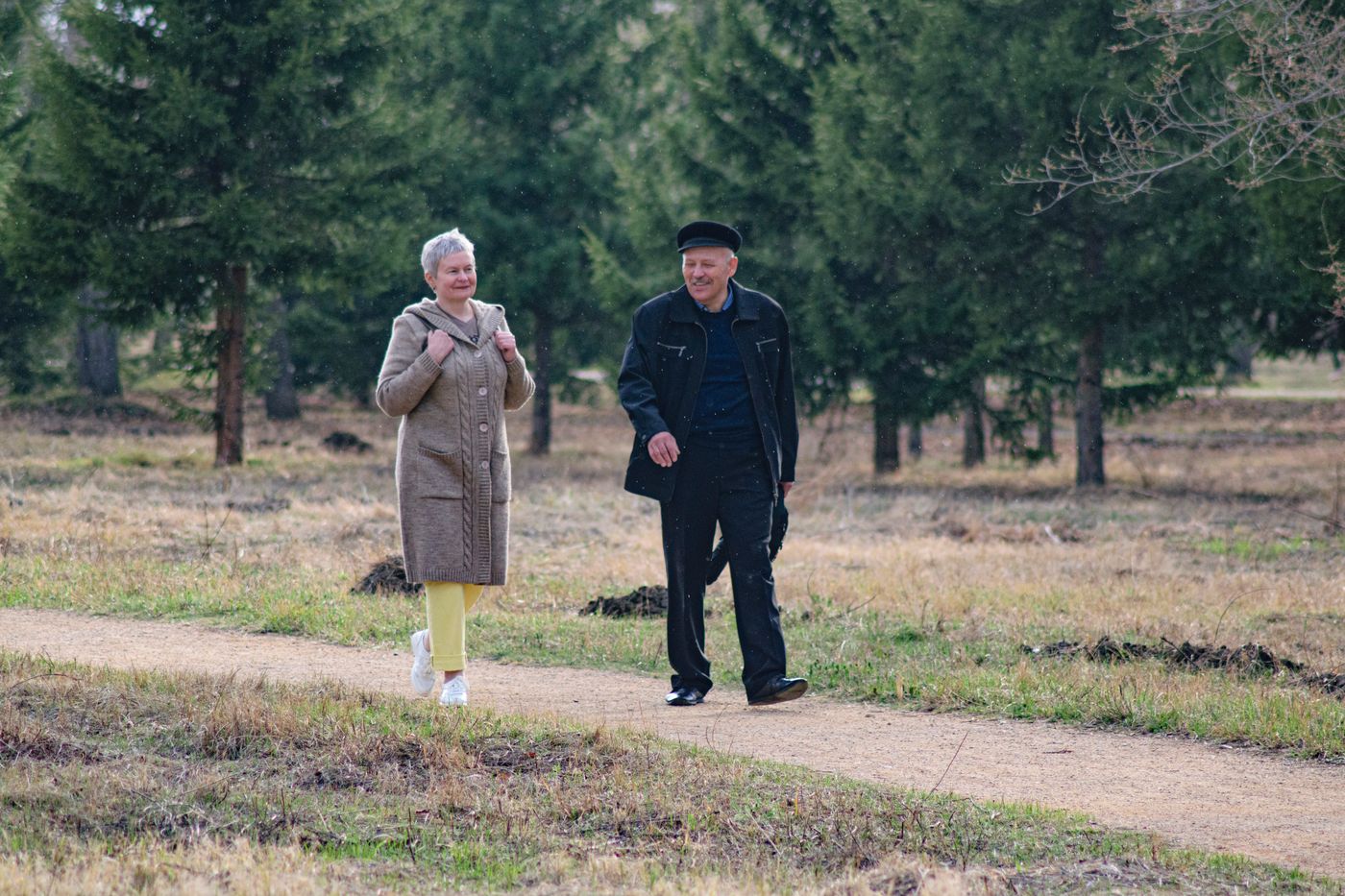
Five to ten mindful minutes a day — even split into one-minute segments — is genuinely enough. Consistency beats duration.
- Anchored to something daily: walk like a cat from the kitchen to the kettle, from the car to the shop door.
- One minute at a time: a single mindful minute of tai chi walking is a minute of balance training. Do that five times a day and it adds up to real benefit.
- Outdoors when you can: uneven ground is a harder, richer balance workout — once the indoor walk feels steady.
- Pair it with the Transition Kit's audience: this is the exercise most recommended for the same older adults the kit helps with passwords — a gentle, dignified daily win.
This guide is for general information and is not medical advice. If you have a balance, bone or joint condition, talk to your doctor before starting. The video instructors are the creators of their own channels; embedded via YouTube's privacy-enhanced mode.